HAVE A QUESTION? CALL US AT (872) 266-3015

Trump's Economic Plays: Boosting Growth While Juggling Risks
As retirees, you've likely spent decades navigating life's ups and downs, from family milestones to market swings. Today, the economic landscape feels a bit like those familiar waves. Some are promising swells and others could turn choppy. Recent moves by the Trump administration are stirring things up in ways that could impact everything from housing costs to the price at the pump.
By Mike Neubauer
January 9th, 2026 | 4 Min. Read
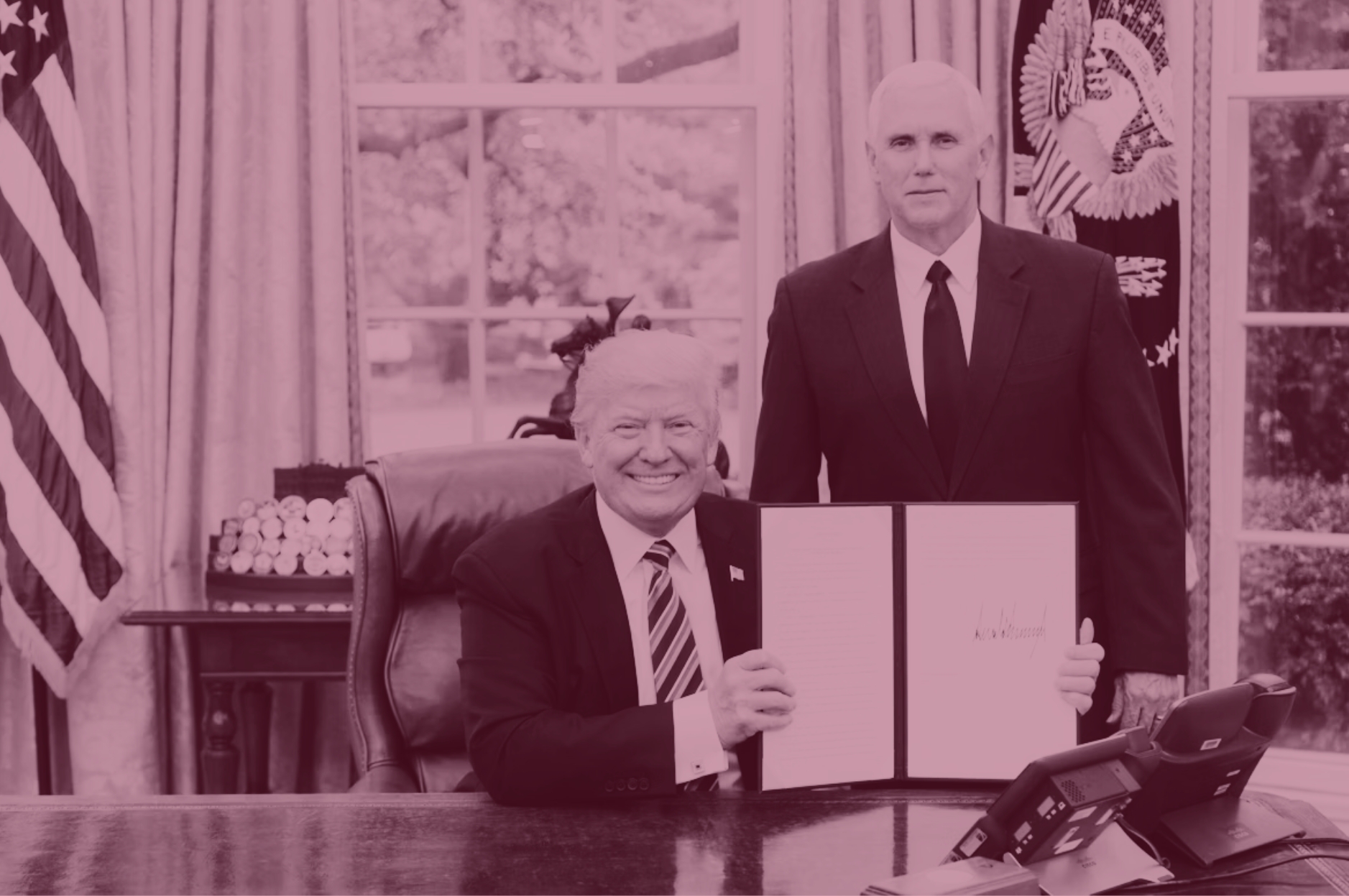
In this article, we'll break down these developments in plain terms, highlighting how they're designed to rev up the economy without tipping into overdrive. Remember, this isn't financial advice. It's just a clear-eyed look at what's happening so you can stay informed.
The Mortgage Market Boost: Lower Rates on the Horizon?
Let's start with a key announcement from the White House: a new executive order aimed at Fannie Mae and Freddie Mac. These aren't household names for everyone, but think of them as the behind-the-scenes giants that help keep the U.S. housing market running smoothly. They buy up mortgages from banks, which frees up money for lenders to issue more home loans.
The order essentially directs these organizations to pump more liquidity, basically extra cash flow, into the mortgage system. Why? To make borrowing cheaper for homebuyers and refinancers. Lower mortgage rates mean more people can afford homes, which spurs building, jobs, and spending. It's like adding oil to an engine to make it run faster and smoother.
This isn't happening in a vacuum. With midterm elections looming in November 2026, the administration appears focused on supercharging the economy now. A stronger job market and rising home values could put voters in a good mood, much like how a well-timed tax cut or stimulus check has worked in the past. For retirees, this could translate to steadier home values if you own property, or even opportunities to refinance at better rates if that's on your radar.
Growth vs. Inflation: The Classic Tradeoff
Extra liquidity in the economy often acts like fertilizer for growth. It helps businesses expand, creates jobs, and boosts stock markets. We've seen this playbook before: during recoveries, governments and central banks flood the system with money to get things moving. Right now, indicators like rising consumer spending and improving employment numbers suggest the economy is rebounding from recent slowdowns.
But here's the flip side, and it's one every retiree knows from experience: growth doesn't come free. It can fuel inflation, that sneaky force that makes your dollar buy less over time. Think groceries, gas, or healthcare costs creeping up. The administration is betting they can manage this by keeping a lid on key drivers of inflation, like energy prices.
The Oil Factor: Seizing Venezuela's Reserves
Enter another timely move: the U.S. has taken control of Venezuela's vast oil reserves. Venezuela sits on one of the world's largest oil stashes, but political turmoil there has kept much of it off the global market. By stepping in, the U.S. aims to stabilize supply and potentially lower oil prices worldwide.
Oil is a big piece of the inflation puzzle. Cheaper crude means lower gas prices, cheaper shipping for goods, and less pressure on everyday costs. It's as if the White House is trying to "have their cake and eat it too": inject liquidity for growth while using oil control to tame inflation. If pulled off, this could create a sweet spot where the economy hums along without prices spiraling out of control.
Economic data backs this up to some degree. Recent reports show manufacturing picking up and consumer confidence ticking higher, even as the AI sector, that buzzy world of artificial intelligence stocks, shows signs of bubbling over with hype. We've seen tech bubbles before, like the dot-com era, where excitement outpaces reality. Yet, broader factors like stable energy and housing support suggest a rebound is underway, not a full-blown crisis.
Risks Ahead: Turbulence, But No Need to Panic
Of course, no economic strategy is foolproof. Pushing for rapid growth carries risks, such as overheated markets or unexpected global events like supply chain snags or geopolitical tensions that could spike inflation anyway. The AI bubble is a wildcard; if it deflates sharply, it might drag down retirement portfolios tied to tech-heavy indexes.
We can expect some turbulence in the months ahead, much like a plane hitting a few bumps before smooth skies. But based on current trends, it's not time to reach for the parachute. The White House wields significant control over economic levers through policies on housing, energy, and beyond, and they're clearly pulling them to foster strength. The key takeaway? Every boost has tradeoffs. Growth might lift your nest egg, but inflation could nibble at purchasing power.
As retirees, staying aware of these shifts empowers you to make thoughtful decisions, whether it's chatting with a trusted advisor or simply keeping an eye on your budget. The economy's future isn't set in stone, but understanding the big picture helps you ride the waves with confidence.
What do you think? Does this align with what you're seeing in your corner of the world?
Mike Neubauer is a financial strategist with a keen eye on policy impacts for everyday Americans. As a founding member of the Grand Vision Family Office, he brings deep insight into how macroeconomic shifts affect retirement security. Because common sense isn't always 'common', here is the legal disclosure: This article is for informational purposes only and does not constitute financial, investment, tax, or legal advice. Retirement Red Flags does not guarantee the accuracy or completeness of the information provided. All investments involve risk, including potential loss of principal. Readers should conduct their own research and consult with a professional advisor before making any financial decisions. I am not an attorney, CPA, or financial advisor.
The content provided on this website and in any affiliated print or digital materials is intended solely for informational and educational purposes. It does not constitute an offer to sell, or a solicitation of an offer to buy, any securities. Any affiliated or partner entity of RetirementRedFlags.com may offer securities only through formal offering documents and only to verified accredited investors in accordance with Rule 506(c) of Regulation D under the Securities Act of 1933. Any references to retirement income or financial strategies are illustrative and should not be interpreted as guarantees of future performance or income. No material presented herein constitutes legal, tax, or investment advice. All potential investors should consult with their own legal, tax, and financial advisors before making any investment decision.
Copyright 2026 © RetirementRedFlags.com. All Rights Reserved.